
汽车科技服务业从传统到未来的机遇与挑战日益凸显,在传统到未来的转型中,人工智能、自动驾驶、新能源和智能驾驶等技术的快速发展为行业带来了显著增长,新能源汽车和混合动力车的崛起也推动了行业布局,技术转移、人才培养和合规性挑战也成为行业面临的重点,汽车科技服务业将面临技术标准制定、行业竞争加剧、政策法规变化等多重挑战,需持续关注技术进步与行业整合,以应对市场变革。
本文目录导读:
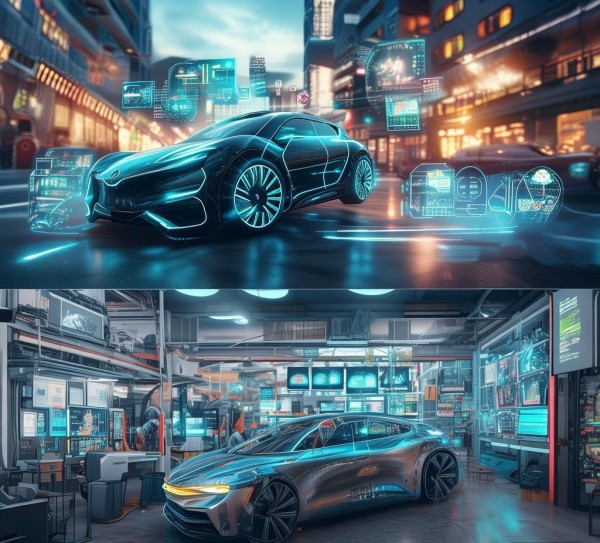
随着技术的 rapid advancement and the rapid development of the automotive industry, the automotive technology sector has undergone significant transformations, moving from traditional research and development to service, manufacturing, and financial sectors. These shifts have not only altered the operational dynamics of the automotive industry but have also contributed to the broader societal and economic development by creating new business opportunities. In this article, we delve into the future trends of the automotive technology sector, its growth opportunities, and its significance for society and the economy.
技术进步:从“低效”到“高效”的转型
Over the past few years, the automotive industry has experienced remarkable technological advancements, including the widespread adoption of autonomous driving (AD) technology, artificial intelligence (AI), and big data ytics. These innovations have significantly improved the efficiency of the service industry, particularly in areas such as car maintenance, insurance, and fleet management. The integration of AI-driven autonomous systems has not only enhanced driver safety but has also transformed traditional driving practices, offering a more efficient and convenient driving experience for both drivers and passengers.
Within the service sector, the automotive industry has also embraced new models to meet the diverse needs of its customers. From traditional car maintenance services to intelligent car management systems, from home cars to industrial vehicles, the industry has continuously evolved to provide tailored solutions that cater to the specific requirements of different segments. The adoption of AI-driven systems, such as advanced driver-assistance systems (ADAS), has not only optimized user experiences but also reduced the likelihood of human error, thereby enhancing operational efficiency.
政策支持:推动服务行业的快速发展
The government places a high priority on the development of the automotive technology sector, implementing a series of measures to accelerate its growth. The 223《关于加快推动汽车科技服务业发展的若干措施》(简称《措施》)明确提出要推动汽车服务、 intelligent driving, and industrial vehicle services to achieve comprehensive integration, ensuring the technology's application in the automotive manufacturing industry. These policies not only foster the expansion of the automotive service sector but also create more business opportunities for car manufacturers by integrating advanced technology with traditional manufacturing processes. Through the collaboration between the automotive industry and the broader economy, the development of intelligent vehicles has become a key driver of economic growth.
To achieve this, the government has actively promoted the integration of the automotive industry with its entire supply chain. By strengthening the linkages between different sectors, the automotive technology sector can better serve the实体经济, providing technical support for economic development through the development of advanced intelligent vehicles. Furthermore, the promotion of intelligent car manufacturing and service development has not only enhanced the quality of automotive products but also created new development opportunities for car manufacturers, ensuring the long-term viability of the automotive industry.
市场需求:消费者与行业的双重需求
The automotive technology sector has faced a complex market landscape, with consumers and the industry both recognizing the need for innovation and efficiency. Consumers today place a greater emphasis on technology, prioritizing performance, user experience, and innovation. For instance, the increasing demand for autonomous driving (AD) technology has not only improved safety but also enhanced the convenience of driver's life. Additionally, the rise of art cars, which integrate advanced driver-assistance systems (ADAS) with advanced technologies, has further transformed traditional vehicle ownership models, offering consumers a more personalized and convenient driving experience. On the other hand, the competitive nature of the automotive industry has also put greater pressure on manufacturers, pushing them to adopt innovative technologies and improve production efficiency.
Within the automotive industry, various sectors have evolved to meet the diverse needs of consumers. From traditional car maintenance services to intelligent car management systems, from commercial vehicles to industrial vehicles, the industry has continuously adapted to change consumer expectations. The integration of AI-driven systems, such as advanced driver-assistance systems (ADAS) and autonomous driving technologies, has not only enhanced the efficiency of driving but also reduced the risk of human error, thereby improving the overall user experience.
竞争格局:技术与成本的双重挑战
In the competitive automotive technology sector, the relationship between technology and cost has become a critical issue. While technological advancements have often led to higher costs, they have also provided opportunities for innovation. However, the rapid pace of technological development has also posed significant challenges to industries, particularly in regions with high cost of capital. For example, the rapid adoption of autonomous driving and other advanced technologies has increased the cost of producing intelligent vehicles, forcing manufacturers to adopt more expensive production processes. This has sometimes forced industries to prioritize cost reduction over innovation, leading to a bottleneck in the development of new technologies.
Technological advancements in the automotive industry have also raised concerns about the long-term viability of certain technologies. For instance, the high cost of implementing and maintaining advanced driver-assistance systems has created a barrier for aller manufacturers to enter the market. This has led to a concentration of innovation efforts in high-cost regions, resulting in a fragmented and less competitive market landscape. To address these challenges, industries have increasingly turned to cost reduction strategies, such as automation and digital transformation, to improve profitability while maintaining technological leadership.
汽车科技服务业的无限可能
Looking ahead, the automotive technology sector has the potential to achieve remarkable growth, driven by the rapid advancement of AI, big data, and blockchain technologies. These technologies not only enhance the efficiency of driving but also open up new avenues for innovation in areas such as autonomous vehicles, electric vehicles, and art manufacturing. As these technologies continue to evolve, the automotive industry is poised to become a global leader in the industry, contributing to the global economy's growth and development.
The automotive technology sector's future is marked by the continued integration of advanced technologies with traditional manufacturing processes, ensuring the sustainability and scalability of the industry. With the constant influx of new technologies and the growing demand for technological excellence, the automotive sector will undoubtedly play a pivotal role in shaping the future of the global economy. As the automotive industry remains at the forefront of technological innovation, it will continue to drive economic growth and create new opportunities for businesses and consumers alike.
In conclusion, the automotive technology sector is undergoing a transformative phase, marked by rapid technological advancements, increased demand for innovation, and a growing emphasis on efficiency. As industries continue to adapt to new challenges and opportunities, the automotive sector will undoubtedly play a crucial role in shaping the future of the global economy, contributing to the nation's development and well-being.